
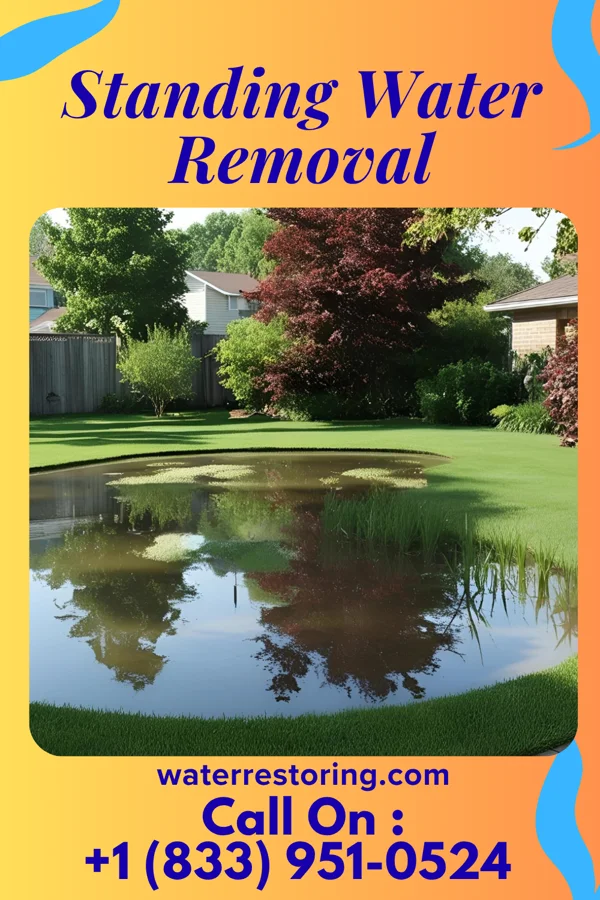
Ground-Water Standing Water in Peever Flats
Water damage in Peever Flats tends to cluster in predictable windows because of the local climate. In Peever Flats, South Dakota, the primary water damage cause is often due to agricultural runoff and seasonal flooding from nearby rivers, especially during spring thaw and heavy rainfall events. The rural setting and lack of extensive drainage systems contribute to water pooling in low-lying areas, impacting both residential and agricultural properties. A close second is Secondary causes include leaking septic tanks, burst water pipes in older homes, and improper storage of water sources like livestock tanks. These issues are common in the area due to aging infrastructure and the reliance on well water for many residents..
Peever Flats experiences a continental climate with cold winters and warm summers, leading to significant temperature fluctuations. This climate, combined with the region's flat terrain, increases the risk of prolonged water accumulation, which can lead to mold growth and structural damage.
Peever Flats experiences a continental climate with cold winters and warm summers, leading to significant temperature fluctuations. This climate, combined with the region's flat terrain, increases the risk of prolonged water accumulation, which can lead to mold growth and structural damage. The dominant local driver is In Peever Flats, South Dakota, the primary water damage cause is often due to agricultural runoff and seasonal flooding from nearby rivers, especially during spring thaw and heavy rainfall events. The rural setting and lack of extensive drainage systems contribute to water pooling in low-lying areas, impacting both residential and agricultural properties., with Secondary causes include leaking septic tanks, burst water pipes in older homes, and improper storage of water sources like livestock tanks. These issues are common in the area due to aging infrastructure and the reliance on well water for many residents. showing up as the next most common cause. Damage builds in stages. Spread. Absorption. Microbial growth. Structural compromise. Every stage you pass through adds to the final bill.